The Power of Ayurveda: Healing Naturally from Within
The Power of Ayurveda: Healing Naturally from Within
Modern life has brought incredible convenience, but it has also introduced new challenges. Long working hours, processed foods, irregular sleep, constant stress, and lack of physical activity have become part of everyday life. While modern medicine plays an essential role in treating acute illnesses and emergencies, many people today are searching for a more natural approach to maintaining their overall health and preventing lifestyle-related problems. This is where Ayurveda continues to offer timeless wisdom.
Originating in India over 5,000 years ago, Ayurveda is more than a medical system—it’s a philosophy of living that teaches us how to maintain balance between the body, mind, and spirit. Rather than focusing solely on symptoms, Ayurveda seeks to understand why those symptoms developed in the first place. Its goal is not only to treat illness but also to help individuals live healthier, longer, and more fulfilling lives.
Understanding the True Meaning of Ayurveda
The word Ayurveda comes from the Sanskrit words “Ayur,” meaning life, and “Veda,” meaning knowledge or science. Together, they translate to “The Science of Life.”
Ayurveda teaches that every person is unique. Our physical characteristics, digestion, emotions, energy levels, and even our response to different foods vary from one individual to another. Because of this, Ayurveda does not believe in a “one-size-fits-all” approach to health.
Instead, it creates personalized wellness plans based on an individual’s body constitution, daily habits, environment, and overall lifestyle.
Healing Begins by Finding the Root Cause
One of the greatest strengths of Ayurveda is its holistic approach. Instead of simply masking discomfort, it aims to identify the underlying imbalance that may be affecting the body.
For example, frequent digestive discomfort may not only be related to food choices. It could also be influenced by stress, irregular eating habits, poor sleep, or weakened digestion. Rather than treating each symptom separately, Ayurveda looks at the entire picture to understand what is disrupting the body’s natural harmony.
This comprehensive approach allows practitioners to recommend personalized combinations of herbal medicines, dietary adjustments, daily routines, yoga, meditation, and lifestyle modifications that support the body’s natural healing processes.
The Importance of Balance
According to Ayurveda, every individual is governed by three fundamental energies known as Vata, Pitta, and Kapha, often referred to as the Doshas.
These energies influence everything from digestion and metabolism to sleep, immunity, movement, emotions, and overall vitality.
When these doshas remain balanced, the body functions efficiently, energy levels remain stable, digestion is healthy, and the mind feels calm. However, poor lifestyle habits, unhealthy diets, emotional stress, seasonal changes, or lack of rest may disturb this balance, which can gradually affect overall well-being.
Ayurveda aims to restore harmony by recommending lifestyle choices that support each individual’s natural constitution.
Nature’s Pharmacy: The Power of Herbs
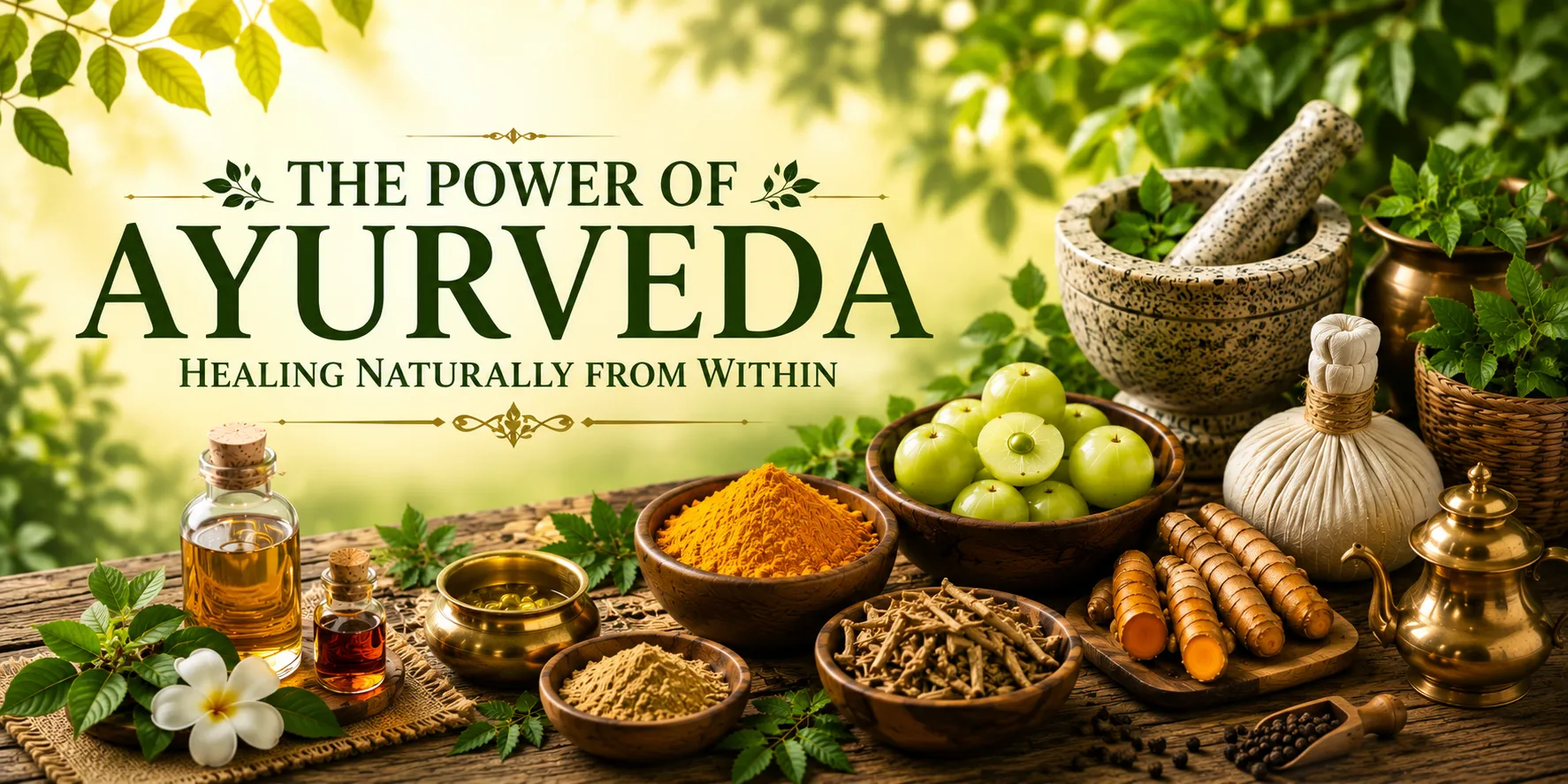
Ayurveda has relied on medicinal plants for thousands of years to support health naturally. Many herbs commonly found in Indian households have long been valued for their traditional uses.
Ingredients such as Turmeric, Amla, Ashwagandha, Tulsi, Neem, Brahmi, Ginger, and Triphala are widely used in Ayurvedic practices to support general wellness. These herbs are selected carefully according to an individual’s constitution and health goals rather than being prescribed universally.
Combined with a balanced diet and healthy lifestyle, herbal formulations become part of a comprehensive approach to supporting overall health.
Ayurveda is a Way of Living
One of the reasons Ayurveda continues to remain relevant today is that it emphasizes simple daily habits rather than complicated treatments.
Starting the day with warm water, eating freshly prepared meals, maintaining regular meal timings, practicing yoga or gentle exercise, getting adequate sleep, managing stress through meditation, and spending time in nature are all considered important aspects of Ayurvedic living.
These practices are designed to help the body function efficiently while encouraging mental clarity and emotional well-being.
Why More People Are Choosing Ayurveda Today
In recent years, people around the world have shown growing interest in natural wellness and preventive healthcare. Rather than waiting until illness develops, many individuals now focus on maintaining their health through balanced nutrition, healthy routines, and holistic care.
Ayurveda complements this approach by encouraging long-term lifestyle improvements instead of temporary solutions. Its emphasis on prevention, personalized care, and natural healing has made it increasingly popular among people seeking a balanced and sustainable way of living.
The Journey Toward Better Health
True wellness is not achieved overnight. It is built through consistent habits, mindful choices, and understanding what your body needs. Ayurveda reminds us that health is a lifelong journey rather than a destination.
Whether your goal is to improve digestion, increase energy, strengthen immunity, reduce stress, or simply live a healthier life, Ayurvedic principles encourage small, sustainable changes that can have a lasting impact over time.
Conclusion
The wisdom of Ayurveda has endured for thousands of years because its principles remain deeply connected to nature and human well-being. By focusing on balance, prevention, personalized care, and healthy living, Ayurveda offers a holistic approach that supports both physical and mental wellness.
As modern lifestyles continue to evolve, its timeless teachings remind us that lasting health often begins with the simplest choices—nourishing food, mindful living, natural remedies, and harmony with nature.
Disclaimer: This article is intended for educational purposes only and should not replace professional medical advice, diagnosis, or treatment. Always consult a qualified healthcare professional or registered Ayurvedic practitioner before beginning any new health or wellness program.